Wind-Resistant Fencing: Designing for Durability in Challenging Climates Oct 02, 2026
Windy climates demand more robust fencing solutions, as strong gusts can easily damage or uproot less sturdy options. The first step in designing wind-resistant fencing is understanding the local wind patterns and environmental conditions. Hiring experts like ArmorLine Fence LLC can provide valuable insights, as they are familiar with local environmental conditions and can recommend suitable materials and designs.
When it comes to materials, not all fencing types are created equal. Some materials fare better in windy conditions than others. For instance, chain-link fences, though not visually solid, have the advantage of allowing wind to pass through, reducing pressure on the structure. This makes them a popular choice in high-wind areas. Additionally, metal fences, particularly those made from steel or aluminum, provide strength and flexibility, ensuring less damage when faced with strong winds.
Solid wooden fences, while aesthetically pleasing, can be problematic in windy climates. However, choosing designs with spaced boards or louvered panels can help reduce wind resistance. Similarly, vinyl fencing can be a viable option if designed with open lattices that reduce solid resistance to wind.
The height and design of your fence also contribute significantly to its wind resistance. Lower fences generally withstand strong winds better than their taller counterparts. When height is a necessity for privacy or security, opting for reinforced structures and secure anchoring can provide additional stability. An experienced fencing service provider, such as ArmorLine Fence LLC, can tailor solutions to your specific needs, ensuring both functionality and aesthetics are not compromised.
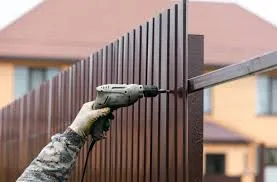
Installation techniques are just as crucial as the choice of materials and design. Deeply set posts provide better resistance to being uprooted by wind forces. Concrete footing enhances this stability further by anchoring the fence to the ground. During installation, attention to detail, like proper spacing between panels and ensuring no loose components, is vital.
Regular maintenance is another layer of protection for your wind-resistant fence. Regular inspections can identify potential weak points or damage that may worsen under windy conditions. Prompt repairs will maintain your fence's integrity and prolong its lifespan, providing a better return on your investment.
In conclusion, designing a wind-resistant fence requires a strategic approach that considers climate, materials, design, and installation techniques. By partnering with knowledgeable professionals like ArmorLine Fence LLC, you can ensure that your fencing solution is tailored to withstand the challenges of your specific environment. Investing in the right kind of wind-resistant fencing not only protects your property but also provides peace of mind, knowing that your surroundings are safe and secure year-round.